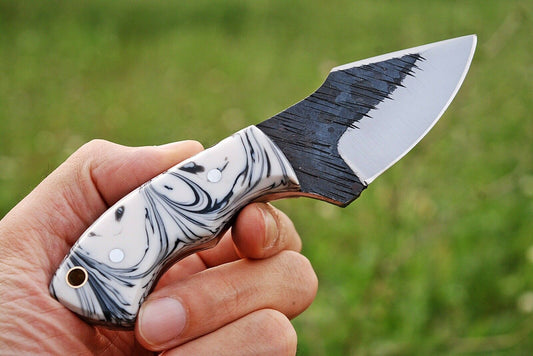
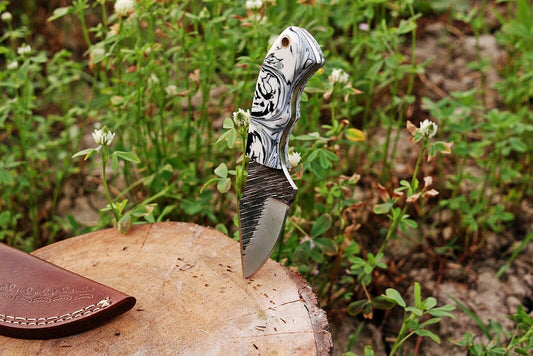
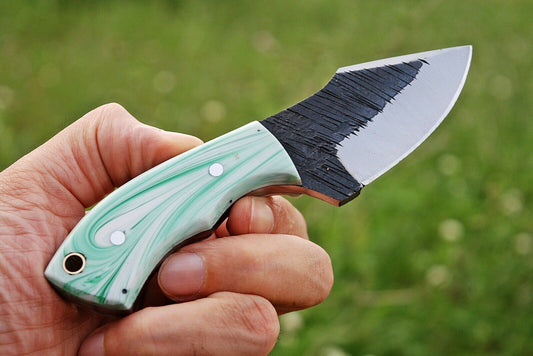
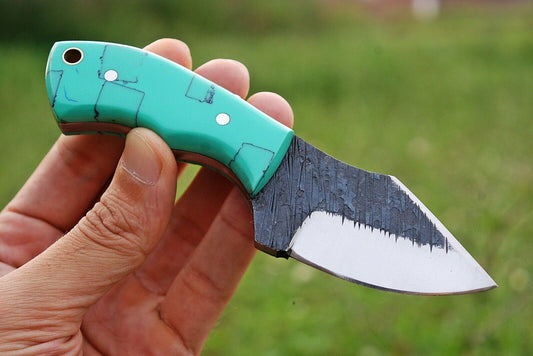
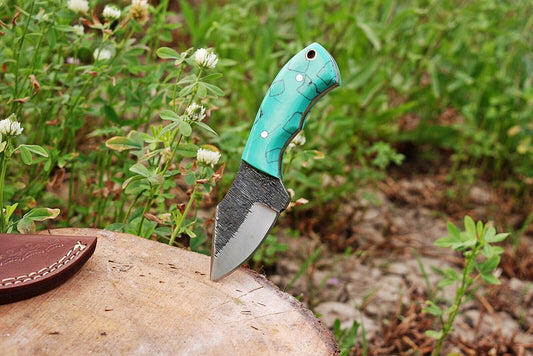
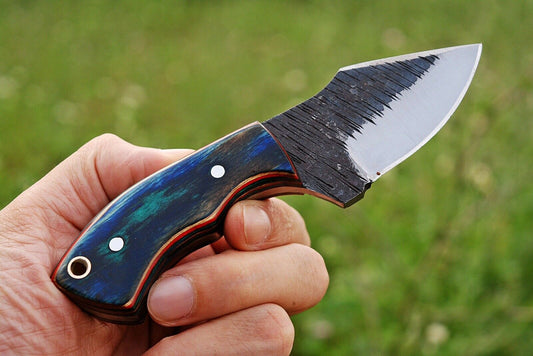
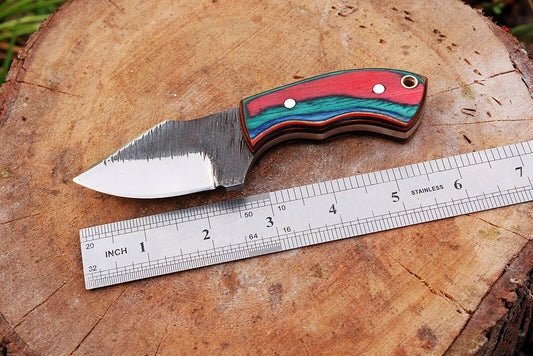
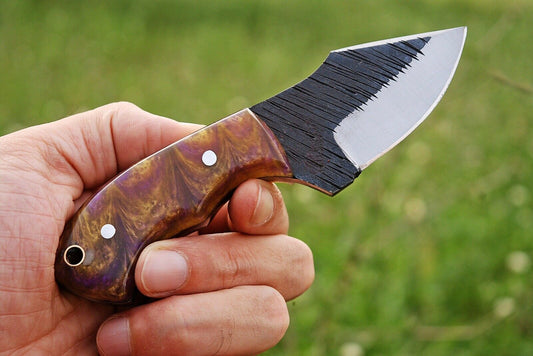
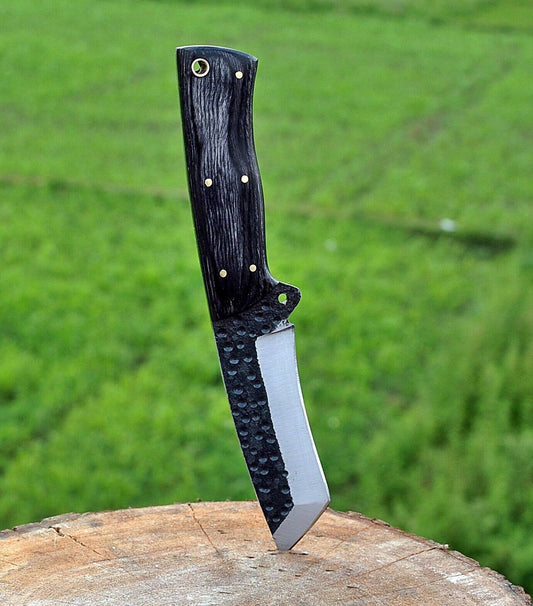
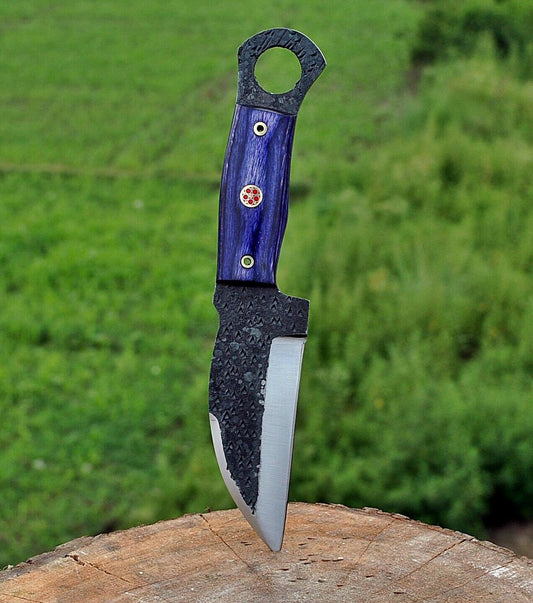
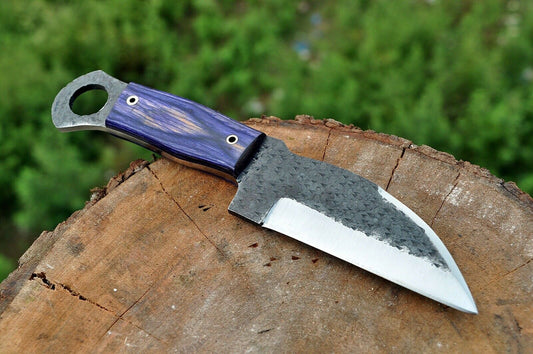
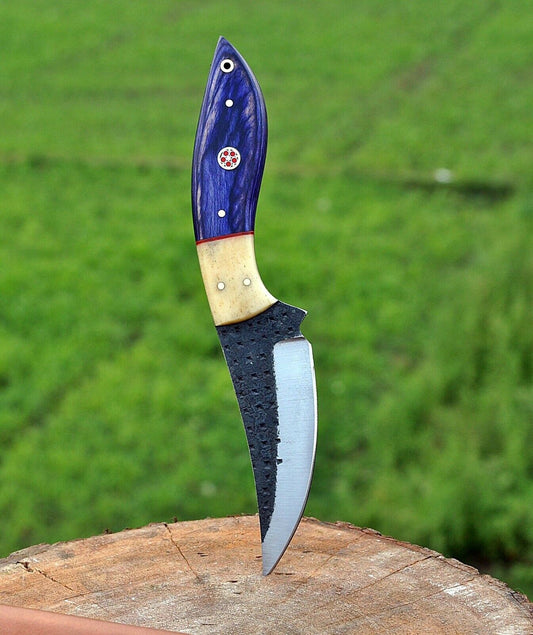
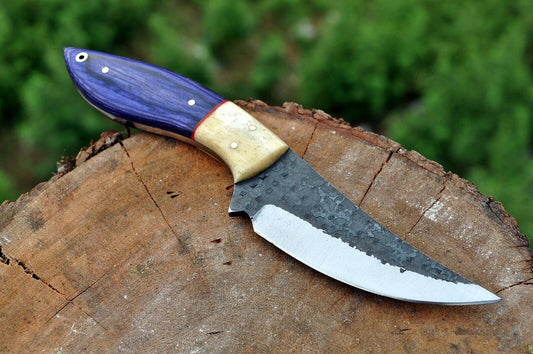
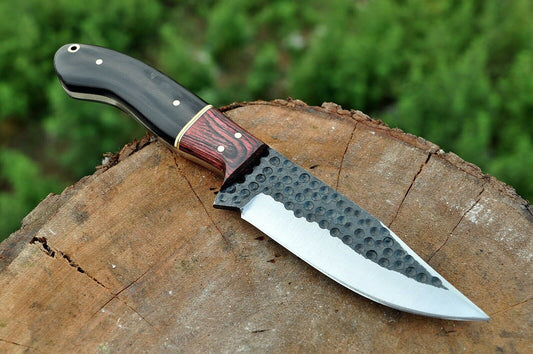
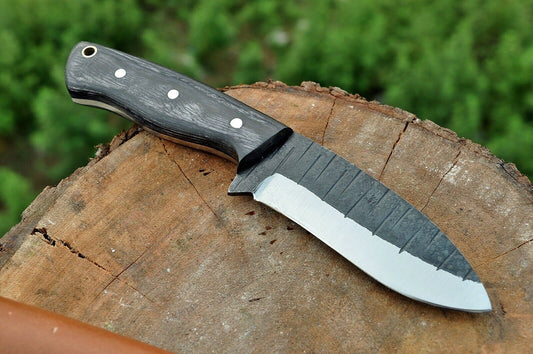
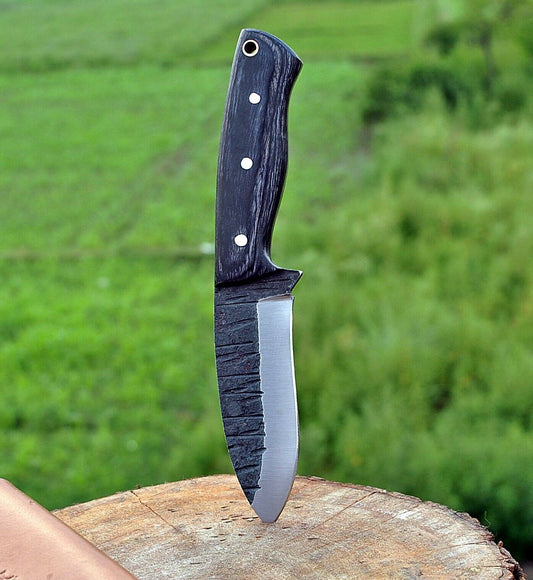
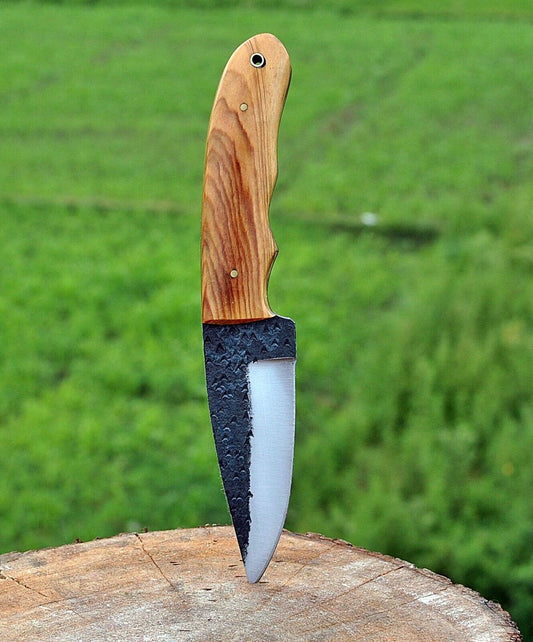
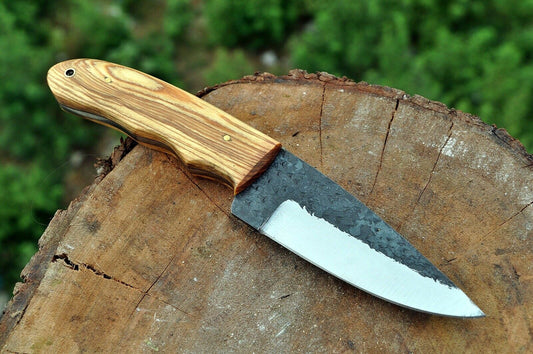
Carbon steel knives have a strong reputation for a reason: they can take a very sharp edge, feel lively in the hand, and sharpen more easily than many stainless options. That makes them appealing to chefs, home cooks, hunters, and collectors who want a blade that performs well and responds quickly to maintenance. The trade-off is simple too: carbon steel rewards routine care. If you are comparing knife steels and trying to decide whether the extra attention is worth it, the details below will help you make a practical choice.
What carbon steel knives are
In plain language, carbon steel knives are knives made from steel with a higher carbon content and little to no added chromium for corrosion resistance. That carbon helps the steel become harder, which is one reason these blades can support a very fine edge. Harder steel also tends to hold that edge well during careful cutting tasks, though the exact result depends on the blade design, heat treatment, and how the knife is used.
For buyers, the important part is not the metallurgy lesson but the behavior of the knife. A carbon steel blade often feels sharp sooner, sharpens with less effort, and gives you a crisp cutting response. It also needs more attention after use, especially around moisture, salt, and acidic foods.
Why cooks choose carbon steel
Many cooks choose carbon steel knives because they offer a combination of sharpness, control, and sharpening ease that is hard to ignore. In a kitchen, that can translate into clean slices through vegetables, smoother trim work on proteins, and less frustration during long prep sessions. For chefs who sharpen often, the steel’s responsiveness is a major advantage: the edge comes back quickly, and the knife can be tuned to a very precise finish without a lot of effort.
This is also why chefs prefer carbon steel knives for repeated, high-focus work. When a knife is used every day, quick touch-ups matter. The steel can feel more “alive” on a stone and more immediate on the board. At the same time, buyers should expect more upkeep than they would with stainless steel knives, so the best fit is someone who values performance enough to make care part of the routine.
Edge retention and sharpening feel
Carbon steel can hold a fine edge well, especially when the blade is made and heat-treated thoughtfully. Just as important, it tends to respond nicely to sharpening, so restoring sharpness is often straightforward. That matters for slicing tomatoes, trimming meat, or moving through dense prep without forcing the cut.
For cooks who sharpen by feel, that easier feedback is a real benefit. The knife tells you what it needs sooner, and you can usually bring it back faster than many stainless alternatives.
Patina and blade character
Traditional carbon steel knives often develop a patina, which is a natural color change on the blade surface that comes from regular use. A patina is not the same as rust. In many cases, it is simply part of the knife’s character and a sign that the blade is being used rather than sitting untouched.
Some owners like the lived-in look because it feels honest and functional. Others prefer a cleaner appearance. Either way, understanding patina helps separate normal aging from damage that needs attention.
Carbon steel versus stainless steel knives
The choice between carbon steel knives and stainless steel knives usually comes down to maintenance versus convenience. Carbon steel is typically easier to sharpen and can deliver a very refined edge, but it needs prompt drying and better storage habits. Stainless steel is more forgiving around moisture and everyday kitchen chaos, which is why many casual users prefer it.
Edge retention can vary widely in both categories, so it is better to think in terms of overall experience. Carbon steel often wins for sharpening feel and precision. Stainless steel usually wins for corrosion resistance and ease of ownership. If you cook often, enjoy maintaining tools, and want a sharper-feeling blade, carbon steel can be the better knife. If you want a lower-maintenance option that can sit in a busy sink area without immediate concern, stainless is usually the safer choice.
Another factor is environment. Humid kitchens, coastal areas, and home cooks who do not want to baby their knives may lean toward stainless. People who are comfortable wiping a blade dry right away and storing it properly often find carbon steel well worth the trade-off.
High-carbon stainless steel in context
High-carbon stainless is a different category from traditional carbon steel. The name can be confusing because it sounds like a middle ground, and in a sense it is. These knives are designed to combine some of the sharpness and edge performance people want from carbon steel with the rust resistance that makes stainless easier to live with.
That does not make them identical to traditional carbon steel knives. It simply means the steel mix is engineered for a more forgiving balance of performance and care.
When stainless steel may be the better choice
Stainless steel may be the better choice when low maintenance matters more than the easiest sharpening or the most refined edge feel. Busy families, shared kitchens, and cooks who do not want to think about drying a knife immediately after use will usually be happier with stainless.
If you often cook in humid conditions or leave tools out during a long prep session, stainless can reduce stress.
How to care for carbon steel knives
Care and maintenance are the main difference between carbon steel and stainless. The routine is not difficult, but it does need to be consistent. Wash the knife promptly after use, dry it completely, and store it somewhere dry where the edge will not bang against other tools. Those habits do most of the work in preventing staining, rust, and long-term damage.
Use mild soap, warm water, and a soft sponge or cloth. Avoid leaving the blade in the sink, and do not let it soak. Moisture is the enemy, but so are acidic foods and salty residue left sitting on the steel. Tomatoes, citrus, onions, vinegar, and brined ingredients can all speed up discoloration if the blade is ignored after use.
If the knife will sit unused for a while, a light coat of oil can help protect the blade. That is especially useful for outdoor users, collectible pieces, or any knife stored for seasonal or infrequent use. The goal is not to overdo it; it is to keep moisture off the surface and make the knife easier to preserve.
Daily cleaning and drying routine
For first-time owners, the routine is simple: wash the knife by hand soon after use with mild soap and warm water, then dry it immediately with a towel. Do not put carbon steel knives in the dishwasher, and do not leave them soaking in the sink.
That one habit usually prevents most of the problems people associate with carbon steel.
Protecting the blade during storage
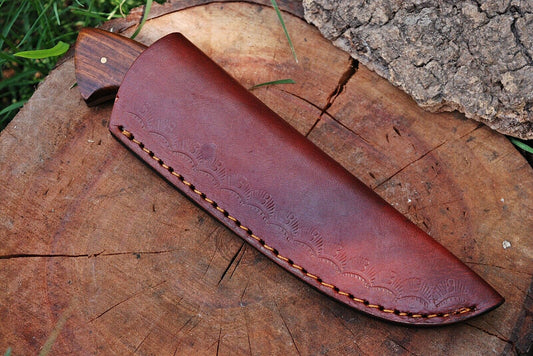
Dry storage matters because it limits the blade’s exposure to humidity and residue. A magnetic strip, dry drawer insert, sheath, or knife block can all work if they keep the blade dry and protected. For long storage periods, a light oil coating can add another layer of protection.
If you use the knife regularly, you may not need to oil it often. If it sits unused for weeks or months, a small amount of oil is a practical safeguard.
Rust, staining, and cleaning mistakes
Patina is normal; active rust is a problem. Patina usually looks like a darker or more muted color change. Rust tends to appear rough, reddish, or flaky and should be removed sooner rather than later.
If rust shows up, a gentle cleaner or metal polish can help, but use it carefully and only as needed. The bigger mistake is letting acidic food, salt, or moisture linger on the blade and then assuming the finish will recover on its own.
How to sharpen carbon steel knives
Carbon steel is often praised because it sharpens well. A whetstone is usually the best place to start, since it gives you control and works well with the steel’s sharpening feel. Many owners also use honing between full sharpening sessions to realign the edge and keep the knife performing longer.
For those who want an even cleaner finish, stropping can be useful as a final touch, though it is optional. The key is patience and light pressure. Carbon steel can reward a careful technique, but aggressive sharpening can remove more material than necessary or create chips if the blade is treated roughly.
When the knife needs sharpening
Common signs of dullness include more resistance while cutting, slipping on tomato skin, or needing extra force for clean slices. Honing can help when the edge has only rolled a bit. Full sharpening is needed when the blade no longer responds to honing and the edge has truly worn down.
That distinction helps you maintain the knife without over-sharpening it.
Common mistakes to avoid
The biggest mistakes are easy to spot: cutting on hard surfaces, using the knife on bones or frozen foods, tossing it loose into a drawer, and leaving it wet after washing. Those habits can dull the edge quickly or create corrosion spots that become harder to remove later.
Carbon steel knives are not fragile, but they do expect more respect than a throw-it-anywhere tool. A little care goes a long way.
How to decide if carbon steel is right for you
If you want a knife that sharpens easily, takes a very fine edge, and feels rewarding to maintain, carbon steel knives are a strong choice. They are especially appealing for chefs, committed home cooks, outdoor users, and collectors who appreciate traditional carbon steel character. Are carbon steel knives good? Yes—if you are willing to dry them promptly and give them regular care. Are high carbon steel knives better? Often for edge feel and sharpening, but not for low-maintenance convenience. A stainless steel knife is usually better if you want less upkeep. If you enjoy precision and do not mind the routine, carbon steel is hard to beat.